It was a Saturday morning. My dog, Finnegan, had been scratching for weeks. His paws were pink. His ears were red. The vet said “food allergies” and handed me a list of ingredients to avoid. Chicken. Beef. Dairy. Eggs. Wheat. Corn. Soy.
I looked at my pantry. Almost everything I used to bake treats was on the forbidden list. Peanut butter? He was allergic. Oats? Maybe safe, maybe not. Eggs? Definitely out.
I felt defeated. How was I supposed to make him treats with nothing?
Then I saw the bag of frozen blueberries in my freezer. And a bag of coconut flour in the back of my pantry. Blueberries are hypoallergenic. Coconut flour is grain-free, gluten-free, and egg-free. That was two ingredients. I needed a binder—something to hold it all together without eggs.
Coconut oil. That’s three. Banana? That’s four. I had everything I needed.
I mashed a banana. I folded in blueberries. I added coconut flour and coconut oil. The dough came together—sticky, purple, and fragrant. I rolled it into small balls and baked them low and slow.
Finnegan ate one. Then another. No scratching. No red ears. Just a wagging tail and a clean plate.
That was the day I learned that allergy-friendly doesn’t mean flavor-free. Here’s how to make these simple, gentle, blueberry-packed treats for your sensitive pup.
Why This Recipe Is Allergy-Friendly
Common Dog Allergens (and What We’re Avoiding):
| Allergen | Why It’s a Problem | This Recipe |
|---|---|---|
| Chicken | One of the most common dog allergens | ✅ No chicken |
| Beef | Another top allergen | ✅ No beef |
| Dairy | Many dogs are lactose intolerant | ✅ No dairy |
| Eggs | Common protein allergen | ✅ No eggs |
| Wheat | Gluten sensitivity | ✅ No wheat |
| Corn | Common filler allergen | ✅ No corn |
| Soy | Common allergen | ✅ No soy |
| Peanut butter | Increasingly common allergy | ✅ No peanut butter |
What Makes This Recipe Safe:
| Ingredient | Why It’s Hypoallergenic |
|---|---|
| Blueberries | Rarely cause allergic reactions. Low in common allergens. |
| Coconut flour | Grain-free, gluten-free. Rarely causes reactions. |
| Banana | Low-allergen fruit. Gentle on sensitive stomachs. |
| Coconut oil | Single ingredient. Rarely causes reactions. |
The Golden Rule of Allergy-Friendly Treats: Every dog is different. The only way to know if a treat is safe for YOUR dog is to introduce it slowly. Start with a tiny piece. Wait 24 hours. Watch for scratching, red ears, or digestive upset.
The Recipe
Ingredients
| Ingredient | Amount | Notes |
|---|---|---|
| Fresh or frozen blueberries | 1 cup | Unsweetened |
| Ripe banana | 1 medium | Very ripe (brown spots = sweeter, softer) |
| Coconut flour | 1 cup | Not regular flour |
| Coconut oil (melted) | 2 tablespoons | Unrefined, virgin |
Yield
Approximately 20-25 small treats (1-2 inches each).
Prep time
10 minutes active. 15-18 minutes baking. Total: about 30 minutes.
Step-by-Step Instructions
Step 1: Preheat and Prepare
Preheat oven to 325°F (165°C). Lower temperature = gentler baking, preserves more nutrients.
Line a baking sheet with parchment paper. Do not grease.
Step 2: Prepare the Blueberries
If using fresh blueberries: Wash thoroughly. Pat dry.
If using frozen blueberries: Thaw completely. Drain excess water. Frozen blueberries release a lot of liquid—save the liquid for another purpose (add to water for a blueberry-flavored hydration boost).
To leave whole or mash? For this recipe, mash the blueberries slightly. Place them in a bowl and press with a fork a few times. You want some whole berries and some smashed berries. This creates pockets of flavor and beautiful purple swirls.
Pro tip: For dogs with very sensitive stomachs, puree the blueberries completely in a food processor. Smooth texture is easier to digest.
Step 3: Mash the Banana
Use a very ripe banana—the browner, the better. Ripe bananas are sweeter, softer, and easier to digest.
Peel the banana. Place it in a large mixing bowl. Mash thoroughly with a fork until no large lumps remain. You want a smooth, almost pudding-like consistency.
Pro tip: If your banana isn’t ripe enough, place it (unpeeled) in a 300°F oven for 10-15 minutes. The skin will turn black, but the inside will soften and sweeten.
Step 4: Combine Wet Ingredients
Add to the mashed banana:
-
Mashed blueberries (with their juice)
-
2 tablespoons melted coconut oil
Mix until well combined. The mixture will be purple, fragrant, and slightly liquid.
Step 5: Add Coconut Flour
Add 1 cup of coconut flour to the wet mixture. Stir until a dough forms.
Important: Coconut flour is NOT like regular flour. It is highly absorbent. The dough will come together quickly and may seem dry. That’s normal.
The dough test: Squeeze a small amount in your fist. It should hold together without crumbling. If it’s too dry and cracking, add water 1 teaspoon at a time. If it’s too wet (unlikely with coconut flour), add coconut flour 1 tablespoon at a time.
Pro tip: Let the dough rest for 2-3 minutes after mixing. Coconut flour absorbs liquid slowly. The dough may firm up during the rest.
Step 6: Shape the Treats
This dough is too sticky to roll out like traditional biscuits. Instead:
Method 1 (Rolled Balls): Scoop tablespoon-sized portions. Roll between your palms into balls. Place on the baking sheet. Flatten slightly with your fingers or a fork.
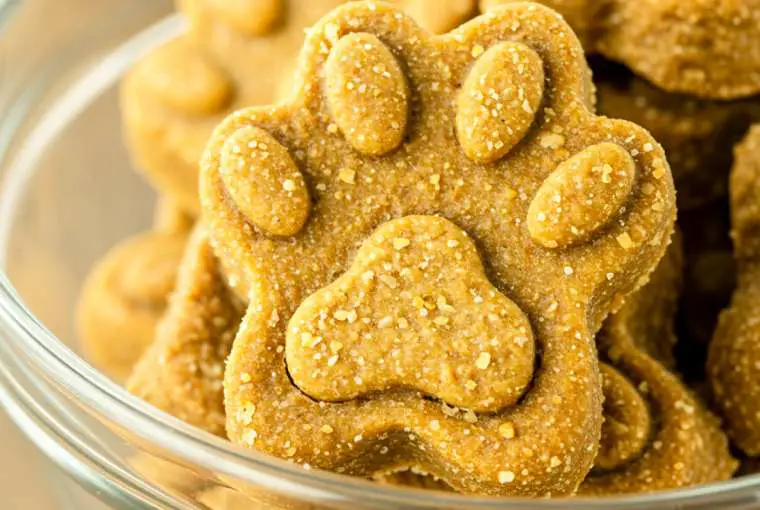
Method 2 (Pressed): Press the dough into a silicone mold (bone shapes, paw prints). Pop out onto the baking sheet.
Method 3 (Drop Cookies): Drop teaspoon-sized portions directly onto the baking sheet. No shaping needed.
Size guide:
-
Tiny dogs (under 10lbs): ½-inch balls (teaspoon-sized)
-
Small dogs (10-25lbs): ¾-inch balls (2 teaspoons)
-
Medium dogs (25-50lbs): 1-inch balls (1 tablespoon)
-
Large dogs (50+ lbs): 1½-inch balls (1.5 tablespoons)
Step 7: Bake
Bake at 325°F for 15-18 minutes.
How to tell they’re done:
-
Treats are firm to the touch
-
Edges are lightly golden (the purple has darkened)
-
A toothpick inserted into the center comes out clean (no wet dough)
-
The kitchen smells like blueberry muffins
Note: These treats will NOT become hard and crunchy. Coconut flour creates a tender, crumbly, biscuit-like texture. That’s intentional—gentle on sensitive stomachs and easy to chew.
Step 8: Cool Completely
Transfer treats to a wire cooling rack. Cool for at least 30 minutes. Treats continue to firm up as they cool.
Do not skip this step. Coconut flour treats are delicate when warm. They need time to set.
Storage & Shelf Life
| Storage Method | Duration | Instructions |
|---|---|---|
| Refrigerator (airtight container) | 1-2 weeks | Best method for coconut flour treats |
| Freezer | 2-3 months | Place in freezer-safe bag. Thaw at room temperature for 10 minutes |
| Room temperature | 3-5 days | Only in cool, dry climates. Coconut flour treats spoil faster than wheat treats |
Pro tip: Because these treats contain no preservatives and have high moisture content (from banana and blueberries), always store in the refrigerator for maximum freshness.
Recipe Variations (All Allergy-Friendly)
Variation 1: Blueberry & Pumpkin (Extra Fiber)
Add ¼ cup of canned pumpkin (pure) to the wet ingredients. Reduce banana to ½ banana. Pumpkin adds fiber and a beautiful orange tint. Great for dogs with digestive issues.
Variation 2: Blueberry & Apple (Extra Sweetness)
Add ¼ cup of unsweetened applesauce to the wet ingredients. Reduce banana to ½ banana. Apple adds natural sweetness and extra moisture.
Variation 3: Blueberry & Turmeric (Anti-Inflammatory)
Add ½ teaspoon of turmeric powder and a pinch of black pepper to the dry ingredients. Turmeric is a natural anti-inflammatory (great for senior dogs). The pepper activates the turmeric.
Variation 4: Blueberry & Parsley (Breath Freshener)
Add 2 tablespoons of fresh parsley (finely chopped) to the wet ingredients. Parsley is a natural breath freshener. The treats will have tiny green flecks.
Variation 5: Frozen Blueberry Balls (No-Bake)
Skip the oven entirely. Mix all ingredients as directed. Roll into balls. Freeze for 2-3 hours. Serve frozen. These are like little blueberry truffles—soft, cold, and refreshing.
Variation 6: Blueberry & Coconut Shred (Extra Crunch)
Add ¼ cup of unsweetened shredded coconut to the dough. Roll the balls in additional shredded coconut before baking. Coconut adds healthy fats and a beautiful snowy appearance.
Variation 7: Mini Training Bites (For Small Dogs)
Use a ½-teaspoon scoop. Drop tiny portions onto the baking sheet. Bake for 10-12 minutes. These tiny bites are perfect for training or for small breed dogs.
Variation 8: Blueberry & Tapioca (For Extra Sensitive Dogs)
Replace coconut flour with ¾ cup of tapioca flour. Tapioca is highly digestible and rarely causes reactions. The texture will be softer, almost gummy. Bake for 18-20 minutes.
How to Introduce Allergy-Friendly Treats
Step 1: The Elimination Diet
If your dog has known allergies, they should be on a strict elimination diet prescribed by your vet. Only introduce new treats with your vet’s approval.
Step 2: The Tiny Test
Give your dog ONE tiny piece (pea-sized) of the new treat. Wait 24 hours.
Step 3: Observe
Watch for:
-
Scratching or licking paws
-
Red ears or ear shaking
-
Hives or red skin
-
Vomiting or diarrhea
-
Lethargy or unusual behavior
Step 4: Increase Gradually
If no reaction after 24 hours, give 2-3 pieces. Wait another 24 hours. If still no reaction, the treat is likely safe for your dog.
Step 5: Full Portion
Once confirmed safe, you can give the full portion size.
Troubleshooting Common Problems
| Problem | Likely Cause | Solution |
|---|---|---|
| Dough is too crumbly | Too much coconut flour | Add water 1 teaspoon at a time. Add 1 tablespoon of mashed banana |
| Dough is too sticky | Not enough coconut flour | Add coconut flour 1 tablespoon at a time |
| Treats fell apart after baking | Not enough binder (banana) | Add an extra half banana next time |
| Treats are dry and hard | Overbaked or too much coconut flour | Reduce baking time to 12-14 minutes next time |
| Treats are raw in center | Too thick | Flatten balls more before baking. Reduce size |
| My dog won’t eat these | Unlikely, but possible | Some dogs dislike blueberries. Try the pumpkin variation |
| Can I use regular flour? | Yes, but not allergy-friendly | Replace coconut flour with 1 cup oat flour (gluten-free) or ¾ cup rice flour |
Frequently Asked Questions
1. What are the best treats for dogs with allergies?
Single-ingredient or limited-ingredient treats are best. Look for novel proteins (venison, rabbit, duck) and novel carbohydrates (coconut flour, tapioca, sweet potato). Avoid common allergens: chicken, beef, dairy, eggs, wheat, corn, soy, and peanut butter. This blueberry recipe uses none of those.
2. Are blueberries safe for dogs with allergies?
Yes. Blueberries are rarely allergenic. They are low in common allergens and high in antioxidants. Most dogs with food allergies tolerate blueberries well. However, every dog is different. Introduce any new food slowly, even “safe” ones.
3. Can dogs be allergic to coconut?
Coconut allergies in dogs are extremely rare. Coconut and coconut flour are considered hypoallergenic and are often recommended for dogs with food sensitivities. However, any food can cause an allergic reaction in a sensitive individual. Start with a tiny amount.
4. Is coconut flour safe for dogs with grain allergies?
Yes. Coconut flour is grain-free, gluten-free, and nut-free. It is made from dried coconut meat. It is highly digestible and rarely causes allergic reactions. It is an excellent alternative to wheat flour for dogs with grain sensitivities.
5. Can puppies eat these allergy-friendly treats?
Yes, from 4 months old. Cut treats into tiny, pea-sized pieces. Puppies have sensitive digestion—start with one tiny piece and wait 24 hours before offering more. These treats are gentle and made from low-allergen ingredients.
6. How do I know if my dog is allergic to an ingredient?
Common signs of food allergies in dogs include: itchy skin (especially paws, ears, and belly), chronic ear infections, hot spots, hair loss, vomiting, diarrhea, and excessive licking. If you suspect a food allergy, consult your vet. An elimination diet is the gold standard for diagnosis.
7. Can I freeze these treats?
Yes. Freeze baked and cooled treats in a freezer-safe bag for up to 2-3 months. Thaw at room temperature for 10 minutes before serving. Or serve frozen (the cold feels nice on itchy skin).
8. Why coconut flour instead of regular flour?
Coconut flour is grain-free, gluten-free, and low in carbohydrates. It is highly digestible and rarely causes allergic reactions. Regular wheat flour contains gluten, which some dogs are sensitive to. Coconut flour also absorbs more liquid, creating a tender, crumbly texture that’s easy to chew.
Final Thoughts
The Saturday I learned that “hypoallergenic” didn’t have to mean “boring,” I stopped feeling sorry for my allergic dog. Finnegan couldn’t eat chicken or beef or eggs or wheat. But he could eat blueberries. He could eat banana. He could eat coconut. And those ingredients, combined with a little patience and a lot of love, made treats that he loved more than any store-bought biscuit.
That’s the magic of allergy-friendly baking. It forces you to simplify. To use fewer ingredients. To let each flavor shine. Blueberries don’t need chicken to be delicious. Banana doesn’t need eggs to bind. Coconut flour doesn’t need wheat to become a treat.
Your allergic dog doesn’t miss the ingredients they can’t have. They don’t know what chicken tastes like. They don’t remember the eggs. They know that the purple-speckled treat in your hand smells like blueberries and came from you. That’s enough. That’s always been enough.
So mash that banana. Fold in those blueberries. Measure that coconut flour. Your sensitive pup is waiting for something gentle, something simple, something made just for them.
Now go make some allergy-friendly magic.