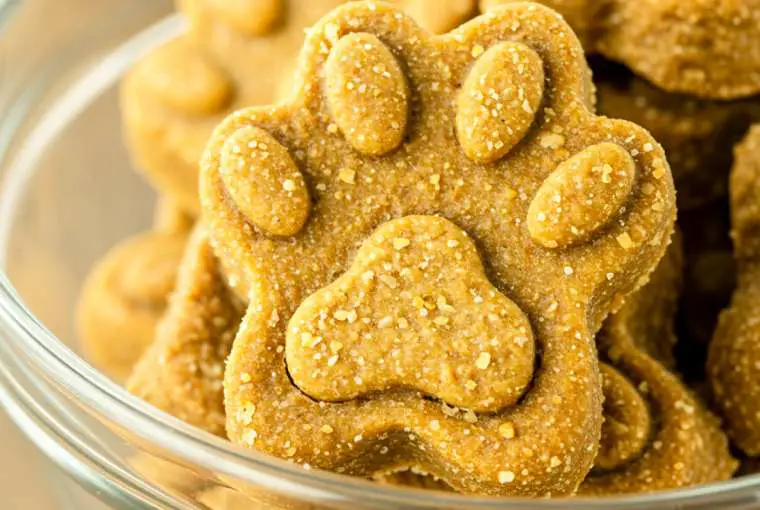
I inherited my grandmother’s dehydrator years ago, and it sat in the back of a cupboard until my dog, Scout, developed a sensitive stomach. Store-bought jerky treats often made him sick, and I was paranoid about recalls and hidden ingredients. One day, staring at a pricey bag of all-natural dehydrated liver treats, I had a thought: “I could make these.” I dug out the dehydrator, bought a single sweet potato, and gave it a shot.
The process was astonishingly simple. The result was even better. Scout went absolutely wild for the homemade sweet potato chews. He could keep himself busy for ages, and best of all, his stomach handled them perfectly. That first success launched a full-blown obsession. I started dehydrating everything—fruits, vegetables, and every kind of lean meat I could find.
I quickly learned that dehydration is one of the best ways to preserve the natural nutrients and intense flavors dogs love, without any need for oils, flours, or preservatives. These five recipes are my go-tos for creating healthy, long-lasting, and incredibly popular treats that cater to everything from training to dental health.
Why Make Dehydrated Dog Treats Special for Your Dog
Dehydration is a gentle preservation method that locks in nutrition and flavor. Unlike baking at high heat, which can break down some vitamins, dehydrating at a low temperature keeps the enzymes and nutrients in whole foods largely intact. This means your dog is getting a potent, nutrient-dense snack.
For dogs with food sensitivities, allergies, or delicate stomachs, dehydrated treats are a godsend. You control the single ingredient, ensuring there are no hidden fillers, artificial flavors, or additives that could cause a reaction. It’s the purest form of a treat possible.
Furthermore, the chewy or crunchy texture of dehydrated treats provides mental stimulation and helps clean teeth by scraping away plaque as your dog gnaws. They are also incredibly cost-effective; a few pounds of meat or produce can yield a large batch of treats that last for months, saving you money compared to store-bought versions.
1. Simple Single-Ingredient Liver Lovers
Liver is a nutritional powerhouse, packed with protein, iron, copper, zinc, and essential fatty acids. It’s also rich in Vitamin A and B vitamins, which support vision, energy levels, and a healthy coat. Dehydrating it creates a intensely flavorful, high-value training treat.
Ingredients You’ll Need
- 1 lb beef liver or chicken liver
Equipment You’ll Need
- Dehydrator
- Sharp knife and cutting board
- Parchment paper (optional, for easy cleanup)
Step-by-Step Instructions
- Prep: Partially freeze the liver for 30-60 minutes. This makes it much easier to slice thinly.
- Slice: Using a sharp knife, slice the liver into uniform ¼-inch to ½-inch thick strips. Pat them dry with a paper towel for better dehydration.
- Arrange: Place the liver strips in a single layer on the dehydrator trays, ensuring they are not touching.
- Dehydrate: Set the dehydrator to 165°F (74°C). Dry for 6-8 hours, flipping halfway through, until the treats are dry and hard, like a stiff piece of leather. There should be no soft spots.
- Cool: Let the liver treats cool completely before storing.
Storage Tips & Serving Ideas
Store in an airtight container in the refrigerator for 2-3 weeks. For long-term storage, keep in the freezer for up to 6 months. These are the ultimate high-reward training treats due to their strong smell and flavor.
2. Sweet Potato Chews
Sweet potatoes are an excellent source of dietary fiber, which aids digestion, and are packed with beta-carotene (which converts to Vitamin A), Vitamin C, and manganese. These nutrients support the immune system, vision, and overall health. Their tough, chewy texture is great for dental health.
Ingredients You’ll Need
- 2-3 large sweet potatoes
Equipment You’ll Need
- Dehydrator
- Sharp knife and cutting board
- Mandoline slicer (highly recommended for even slices)
Step-by-Step Instructions
- Wash: Scrub the sweet potatoes thoroughly. You can peel them, but the skin has extra nutrients.
- Slice: Using a mandoline or sharp knife, slice the sweet potatoes lengthwise into uniform ¼-inch thick strips.
- Arrange: Lay the strips in a single layer on dehydrator trays.
- Dehydrate: Set the dehydrator to 125°F (52°C). Dry for 8-10 hours, until the strips are leathery and chewy but not brittle. They will bend without snapping.
- Cool: Allow to cool completely. They will crisp up slightly as they cool.
Storage Tips & Serving Ideas
Store in a paper bag or airtight container at room temperature for 1-2 weeks. For a crunchier texture, dehydrate for longer. These are a fantastic long-lasting chew for dogs of all sizes.
3. Apple & Cinnamon Rings
Apples provide vitamins A and C, which are antioxidants, and are a good source of fiber. The small amount of cinnamon adds flavor and has anti-inflammatory properties. This is a low-calorie, crunchy treat perfect for overweight dogs or as a light snack.
Ingredients You’ll Need
- 3-4 apples (any kind)
- ½ tsp cinnamon (optional)
Equipment You’ll Need
- Dehydrator
- Sharp knife or apple corer
- Mandoline slicer (optional)
- Small bowl
Step-by-Step Instructions
- Prep: Wash the apples thoroughly. You can core them if you wish, but it’s not necessary.
- Slice: Using a mandoline or sharp knife, slice the apples horizontally into uniform ¼-inch thick rings.
- Dust (Optional): Place the apple rings in a bowl, sprinkle with cinnamon, and toss gently to coat.
- Arrange: Place the rings in a single layer on dehydrator trays.
- Dehydrate: Set the dehydrator to 135°F (57°C). Dry for 6-8 hours until the apples are dry and leathery, but not sticky.
- Cool: Let them cool completely.
Storage Tips & Serving Ideas
Store in an airtight container at room temperature for up to a month. These make a great crunchy, sweet snack that helps clean teeth.
4. Beginner’s Chicken Jerky
Lean chicken breast is pure, high-quality protein, which supports strong muscles and provides energy. It’s low in fat, making it a great treat for dogs needing weight management. Dehydrating it creates a chewy, palatable jerky that nearly every dog adores.
Ingredients You’ll Need
- 1 lb boneless, skinless chicken breasts
- Equipment You’ll Need
- Dehydrator
- Sharp knife and cutting board
- Parchment paper
Step-by-Step Instructions
- Prep: Partially freeze the chicken breast for 1-2 hours until it is firm but not solid. This is the key to getting thin, even slices.
- Slice: Using a very sharp knife, slice the chicken across the grain into ¼-inch thick strips. Slicing against the grain makes the final jerky easier to tear and chew.
- Arrange: Place the strips in a single layer on dehydrator trays.
- Dehydrate: Set the dehydrator to 165°F (74°C). Dry for 6-8 hours, until the jerky is completely dry, tough, and leathery. There should be no moisture left.
- Cool: Let cool completely before storing.
Storage Tips & Serving Ideas
Store in an airtight container in the refrigerator for 1-2 weeks or in the freezer for up to 3 months. This is a classic, crowd-pleasing treat perfect for training or as a daily reward.
5. Veggie Power Mix
This mix provides a spectrum of vitamins and minerals. Carrots are great for teeth and are full of beta-carotene. Green beans are low-calorie and rich in iron and vitamins. Broccoli florets offer fiber and Vitamin C. Together, they create a crunchy, nutrient-dense snack.
Ingredients You’ll Need
- 2 carrots
- 1 handful of green beans
- 1 cup broccoli florets
- Equipment You’ll Need
- Dehydrator
- Sharp knife and cutting board
Step-by-Step Instructions
- Prep: Wash all vegetables thoroughly.
- Slice: Slice the carrots into ¼-inch thick rounds. Trim the ends from the green beans. Cut the broccoli into small, bite-sized florets.
- Blanch (Optional): Briefly blanching the carrots and green beans in boiling water for 2-3 minutes can make them crispier and help preserve color, but it’s not required.
- Arrange: Spread the vegetables in a single layer on dehydrator trays.
- Dehydrate: Set the dehydrator to 125°F (52°C). Dry for 8-10 hours, until the vegetables are completely dry and crunchy.
- Cool: Let cool completely.
Storage Tips & Serving Ideas
Store in an airtight container at room temperature for up to a month. Use this mix as a healthy, low-calorie “cookie jar” treat or topper for meals.
FAQ
1. What is the best meat to dehydrate for dog treats?
Lean meats like chicken breast, beef heart, and liver are excellent choices. They dehydrate well and create a high-protein, high-value treat that most dogs love.
2. Do I have to cook meat before dehydrating for dogs?
No, you do not need to pre-cook the meat. The USDA states that drying meat at 165°F (74°C) is sufficient to kill pathogens like salmonella and E. coli, making it safe for dogs.
3. How long do dehydrated dog treats last?
Properly dehydrated and cooled treats can last 2-4 weeks in an airtight container at room temperature. For longer storage, keep them in the refrigerator for a few months or in the freezer for up to a year.
4. Can I use an oven instead of a dehydrator?
Yes, you can. Set your oven to its lowest temperature (usually 150-200°F), place the treats on a wire rack over a baking sheet, and prop the oven door open slightly to allow moisture to escape. Check them frequently, as they can burn more easily.
5. Why are my dehydrated treats not crunchy?
They likely need more time. Dehydration time varies based on thickness, humidity, and water content. Continue dehydrating until they reach your desired texture. For chewy treats, they should be leathery; for crunchy, they should snap.
6. Are dehydrated sweet potatoes good for dogs?
Yes! Dehydrated sweet potatoes are a fantastic, healthy chew. They are high in fiber and vitamins and are great for digestion and dental health.
7. How do I know when dehydrated treats are done?
The treats should be dry and leathery or hard and brittle, with no soft or moist spots in the center. They should not feel sticky. Let them cool completely before testing, as they will continue to crisp up.
8. Can I dehydrate fish for dog treats?
Yes, fish like salmon or whitefish can be dehydrated. Be aware that it will produce a very strong odor during the process. Ensure all bones are removed and dehydrate at 165°F (74°C) until completely dry and brittle.
Final Thoughts
Discovering the dehydrator was a revelation for Scout’s health and my peace of mind. It demystified what goes into his treats and gave me complete control over his snacks. The process is surprisingly simple, almost meditative, and the results are met with unmatched enthusiasm.
The beauty of dehydration is its simplicity and versatility. You can start with a single sweet potato and expand to a full menu of proteins, fruits, and vegetables. It allows you to use up leftover ingredients, tailor treats to your dog’s specific needs, and create a pantry stocked with healthy, safe rewards.
Seeing your dog happily work on a chew you made from a single, whole ingredient is incredibly satisfying. It connects you to their well-being in a direct and meaningful way. Dehydrating isn’t just about making treats; it’s about embracing a simpler, healthier, and more transparent way to show your dog you care.