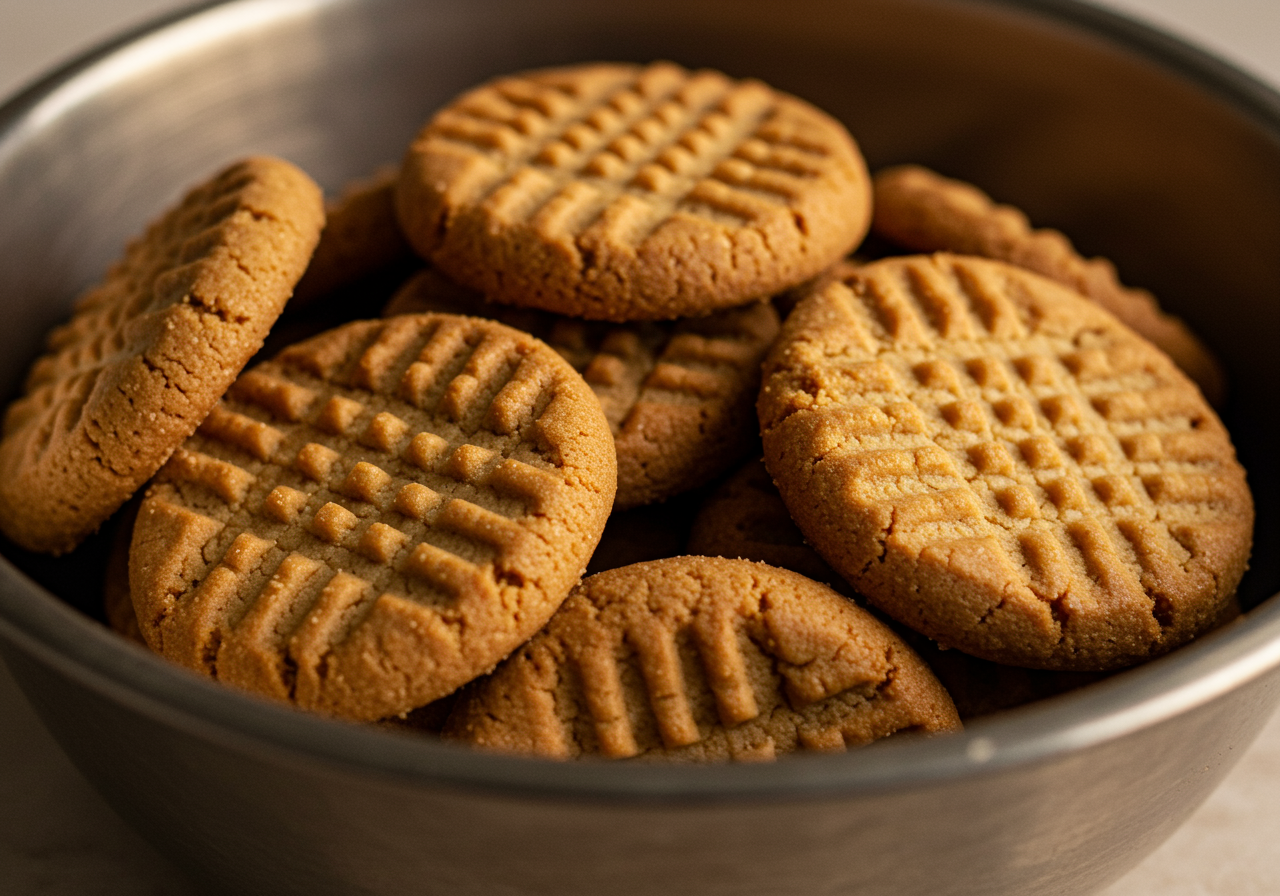
My dog, Bear, has always been an aggressive chewer. Those expensive store-bought bully sticks? Gone in twenty minutes. Rawhide? Off the table for safety reasons. I needed something long-lasting, digestible, and healthy that would actually keep him occupied for more than a bathroom break.
One afternoon, while making myself a peanut butter banana sandwich, Bear sat patiently at my feet, drooling onto the kitchen floor. That’s when it hit me—what if I could turn these two simple ingredients into a chewy, long-lasting stick he could actually work on? After some trial and error (and one disastrous batch that crumbled instantly), I perfected this recipe. Now, Bear gets a homemade chew stick that keeps him busy for hours, and I get peace of mind knowing exactly what’s in it. No mystery ingredients, no preservatives, just pure, wholesome goodness.
Why Homemade Chew Sticks Beat Store-Bought
Commercial chew sticks often come with hidden risks—splintering, chemical preservatives, questionable sourcing, and choking hazards. By making your own banana and peanut butter chew sticks, you control every variable. These sticks are designed to be firm enough to provide lasting chewing satisfaction but digestible enough to break down safely in your dog’s stomach. The natural sugars in banana provide energy, while peanut butter offers protein and healthy fats. Plus, the chewing action itself promotes dental health by scraping away plaque and massaging gums. It’s a win-win: your dog gets entertainment, and you get peace of mind.
Nutrient Breakdown
- Banana: Rich in potassium for muscle function and heart health. Provides vitamin B6 for brain development and vitamin C for immune support. The natural pectin in bananas aids digestion and can help firm up loose stools. Bananas also contain magnesium, which supports bone health and enzyme function.
- Peanut Butter: Packed with healthy monounsaturated fats that support skin and coat health. Provides plant-based protein for muscle maintenance. Contains vitamin E, an antioxidant that fights cellular damage, and niacin (vitamin B3) for healthy skin and nerves. The natural oils in peanut butter also make these chews satisfyingly rich.
- Oats (if using): Add soluble fiber for digestive health and sustained energy release. Beta-glucans in oats support immune function and help regulate blood sugar.
- Coconut Flour (if using): Provides healthy fats and lauric acid, which has antimicrobial properties. Grain-free and easily digestible for sensitive stomachs.
- Cinnamon (optional): Offers anti-inflammatory properties and can help regulate blood sugar. In small amounts, it adds a pleasant aroma dogs enjoy.
Ingredients You’ll Need
For Basic Chew Sticks:
- 2 very ripe bananas (the spottier, the better—they’re sweeter and bind more effectively)
- 1 cup natural, unsalted peanut butter (xylitol-free, creamy or chunky)
- 2-3 cups oat flour or coconut flour (amount varies by desired consistency)
Optional Add-Ins:
- 1 tablespoon ground cinnamon
- 2 tablespoons finely ground flaxseed
- 1 tablespoon coconut oil (for extra healthy fats)
Equipment You’ll Need
- Large mixing bowl
- Fork or potato masher
- Wooden spoon or sturdy spatula
- Measuring cups
- Baking sheet
- Parchment paper or silicone baking mat
- Rolling pin
- Knife or pizza cutter (for slicing sticks)
- Wire cooling rack
- Airtight container for storage
- Optional: Food processor or blender (for making oat flour from rolled oats)
- Optional: Dehydrator (for extra hard, jerky-style chews)
Step-by-Step Instructions
Method 1: Baked Chew Sticks (Standard Method)
Step 1: Preheat and Prep
Preheat your oven to 325°F (160°C). Line a baking sheet with parchment paper or a silicone baking mat. This prevents sticking and makes cleanup effortless.
Step 2: Mash the Bananas
In a large mixing bowl, peel both bananas and mash them thoroughly with a fork until completely smooth with no large chunks. The smoother the mash, the better your dough will bind. Very ripe bananas mash more easily and provide natural sweetness.
Step 3: Incorporate Peanut Butter
Add the cup of peanut butter to the mashed bananas. Stir vigorously with a wooden spoon until the two ingredients are fully combined into a uniform, sticky paste. This may take a minute or two of consistent mixing.
Step 4: Add Flour Gradually
Begin adding your chosen flour (oat or coconut) one half-cup at a time, mixing thoroughly after each addition. The amount you need will depend on the moisture content of your bananas and the absorbency of your flour. Coconut flour is highly absorbent, so you may need less. Oat flour creates a chewier texture.
Continue adding flour until a stiff dough forms that pulls away from the sides of the bowl. The dough should be firm enough to hold its shape but not so dry that it cracks when rolled. If the dough becomes too dry, add a teaspoon of water or a drizzle of peanut butter. If too sticky, add more flour one tablespoon at a time.
Step 5: Roll the Dough
Lightly flour your work surface and rolling pin. Place the dough ball in the center and roll it out to approximately ¼-inch thickness. Aim for even thickness throughout so all sticks bake uniformly. For thicker, longer-lasting chews, roll to ⅓-inch.
Step 6: Cut Into Sticks
Using a knife or pizza cutter, slice the rolled dough into stick-shaped rectangles. Typical dimensions are 3-4 inches long and ½-inch wide, but you can customize based on your dog’s size. Small dogs need thinner, shorter sticks; large breeds can handle thicker, longer ones.
Step 7: Transfer to Baking Sheet
Carefully transfer each stick to your prepared baking sheet, spacing them about ½ inch apart. They won’t spread much during baking, so close spacing is fine.
Step 8: Bake
Place the baking sheet in the preheated oven and bake for 25-35 minutes, depending on thickness. For chewier sticks, bake toward the lower end of the range. For crunchier, longer-lasting sticks, bake longer.
Step 9: Cool Completely
Remove from oven and let the sticks cool on the baking sheet for 10 minutes, then transfer to a wire cooling rack. They will continue to harden as they cool. Do not store until completely room temperature, or condensation will create moisture and spoilage risk.
Method 2: Dehydrated Chew Sticks (Extra Long-Lasting)
For dogs who are power chewers, dehydration creates a jerky-like texture that lasts significantly longer.
Step 1-7: Follow the same steps as the baked method through cutting the sticks.
Step 8: Arrange in Dehydrator
Place the raw sticks on dehydrator trays, leaving space between each for air circulation.
Step 9: Dehydrate
Set your dehydrator to 135°F (57°C) and dehydrate for 8-12 hours, depending on thickness. Check periodically. The sticks should be dry to the touch and firm throughout with no soft spots.
Step 10: Condition
After dehydrating, let sticks cool completely. Place them in a glass jar with the lid on for 2-3 days, shaking daily. If condensation appears, they need more drying time. This conditioning step ensures even moisture distribution and prevents mold during storage.
Method 3: No-Bake Frozen Chew Sticks (Summer Version)
For a refreshing, softer chew perfect for hot days, try this freezer method.
Step 1-3: Follow the same steps for mashing bananas and mixing with peanut butter.
Step 4: Skip the Flour
Instead of adding flour, keep the mixture as a thick paste. Add 1 tablespoon of coconut oil for easier freezing and extra skin benefits.
Step 5: Fill Molds
Spoon the mixture into silicone molds shaped like sticks or bones. Alternatively, use a piping bag fitted with a large tip to pipe long strips directly onto a parchment-lined tray.
Step 6: Insert Chew Tool (Optional)
For a truly interactive treat, insert a safe chew stick (like a coffee wood stick or Bully Stick piece) into the center of each mold before freezing. This gives your dog something to hold onto.
Step 7: Freeze
Place molds or tray in the freezer for 4-6 hours until completely solid.
Step 8: Serve Frozen
Pop out and serve immediately as a cooling, chewy treat. These won’t last as long as baked versions but are perfect for hot weather.
Storage Tips & Serving Ideas
Baked Sticks: Store in an airtight container at room temperature for up to 2 weeks. For longer storage, refrigerate for up to 1 month or freeze for up to 6 months. Using the best airtight containers for dog food and treats will maintain freshness and prevent them from absorbing other odors.
Dehydrated Sticks: Store in a cool, dark place in an airtight container for up to 3 months. These have the longest shelf life due to minimal moisture content.
Frozen Sticks: Keep in a freezer-safe bag or container for up to 3 months. Thaw for 5 minutes before serving for easier chewing.
Serving Suggestions:
- Offer as a post-walk reward to extend the calming effects of exercise.
- Use as a crate-training tool—a chew stick keeps anxious dogs occupied positively.
- Break into smaller pieces for training sessions (store pieces in your best dog treat pouch for on-the-go rewards).
- For senior dogs, soften slightly by microwaving for 10 seconds.
- Stuff into a Kong toy for layered enrichment.
- After a long car ride, let your dog enjoy one while resting on your best dog car SUV seat covers—mess-free chewing!
Size Guide:
- Small dogs (under 20 lbs): 2-inch sticks, ¼-inch thick
- Medium dogs (20-50 lbs): 3-4 inch sticks, ¼-⅓ inch thick
- Large dogs (50+ lbs): 5-6 inch sticks, ⅓-½ inch thick
FAQs: Banana and Peanut Butter Chew Sticks
1. Are bananas safe for dogs every day?
Yes, in moderation. Bananas are safe for daily consumption but should be limited due to natural sugar content. One small banana or equivalent in treats is plenty for most dogs.
2. Can I use chunky peanut butter?
Absolutely! Chunky peanut butter adds texture and tiny peanut pieces that dogs love. Just ensure it’s xylitol-free and unsalted.
3. My dog has a wheat allergy. What flour should I use?
Oat flour and coconut flour are both excellent wheat-free alternatives. Oat flour creates a chewier texture, while coconut flour is grain-free and highly absorbent—use less of it.
4. How long do these chew sticks actually last?
For an average chewer, baked sticks last 20-40 minutes. Dehydrated sticks can last 1-2 hours. Aggressive chewers may go through them faster—supervise and adjust thickness accordingly.
5. Can I add protein powder for extra nutrition?
Yes, but choose a dog-specific or plain unflavored, unsweetened protein powder. Add it with the flour and adjust liquid accordingly. Never use human protein powders with artificial sweeteners.
6. Why did my sticks crumble after baking?
Crumbling usually indicates insufficient binding. Next time, use riper bananas (more natural pectin) or add an extra tablespoon of peanut butter. Ensure you’re not over-flouring.
7. Can I make these without any flour?
Yes, for a soft, fudge-like texture, omit flour entirely and simply freeze the banana-peanut butter mixture. These won’t be chewy sticks but rather soft frozen treats—perfect for summer.
8. Are these safe for puppies?
Yes, but supervise carefully. For teething puppies, consider making thinner, softer baked sticks or offer frozen versions to soothe sore gums. Always match size to your puppy’s mouth to prevent choking.
9. Can I add other ingredients?
Absolutely! Safe additions include:
¼ cup pumpkin puree (for digestion)
1 tablespoon ground flaxseed (for omega-3s)
½ teaspoon turmeric (for joints, with a pinch of black pepper)
2 tablespoons finely grated carrot (for vitamins)
1 tablespoon chopped parsley (for fresh breath)
10. How do I know if the sticks are fully baked?
Fully baked sticks should be firm to the touch and lightly golden on the edges. Insert a toothpick into the thickest part—if it comes out clean, they’re done. They’ll continue hardening as they cool.
11. Can I use a cookie cutter instead of making sticks?
Yes! While this recipe is designed for sticks, you can use any dog treat cookie cutters to create fun shapes. Adjust baking time based on thickness.
12. My dog is a gulper, not a chewer. Are these safe?
For dogs who swallow treats whole without chewing, these sticks may pose a choking risk. Consider making them very thin and breaking into small, swallow-safe pieces, or opt for softer frozen versions that crumble easily.