
There’s something truly magical about a calf. From their oversized ears and soft noses to their playful jumps across the field, calves capture hearts instantly.
Even people who’ve never lived on a farm often feel a sense of joy and calm when they see a baby cow. For farm animal lovers, calves represent innocence, new life, and the gentle side of agriculture.
But calves are more than just adorable faces. They are intelligent, emotional, and social animals with fascinating behaviors. Understanding calves helps us appreciate farm life and the care that goes into raising healthy, happy animals.
In this article, I’ll share 10 heartwarming and educational facts about calves, followed by FAQs and extra topics every farm animal enthusiast will enjoy.
1. Calves Can Stand and Walk Soon After Birth
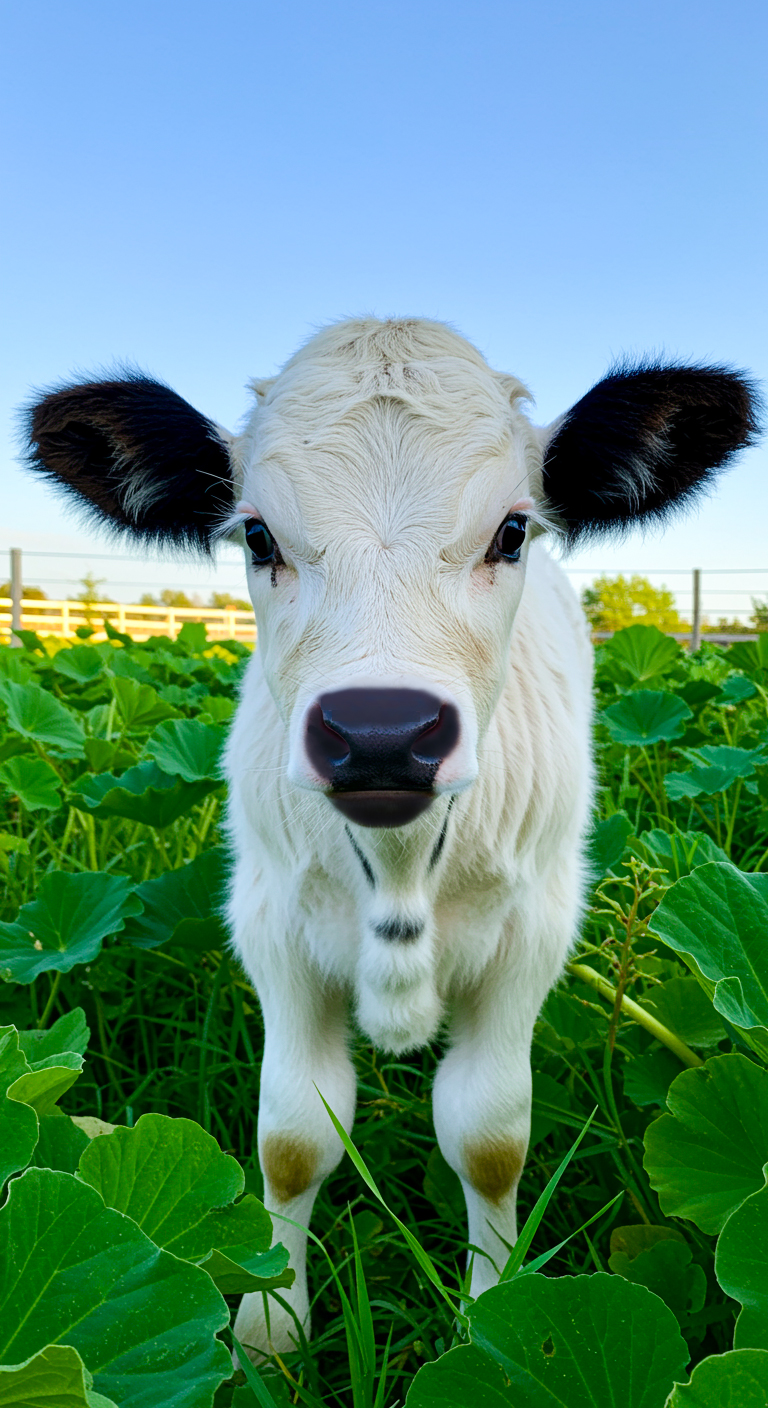
One of the most amazing things about calves is how quickly they adapt to the world. Unlike human babies, calves are born ready to move. Within one to two hours after birth, most calves can:
Stand on their own
Take their first wobbly steps
Nurse from their mother
This ability is crucial in nature, especially in herd animals. Being able to stand quickly helps calves stay close to their mothers and avoid danger. Watching a newborn calf trying to balance on long, shaky legs is both funny and heart-melting.
2. Calves Form Strong Bonds with Their Mothers
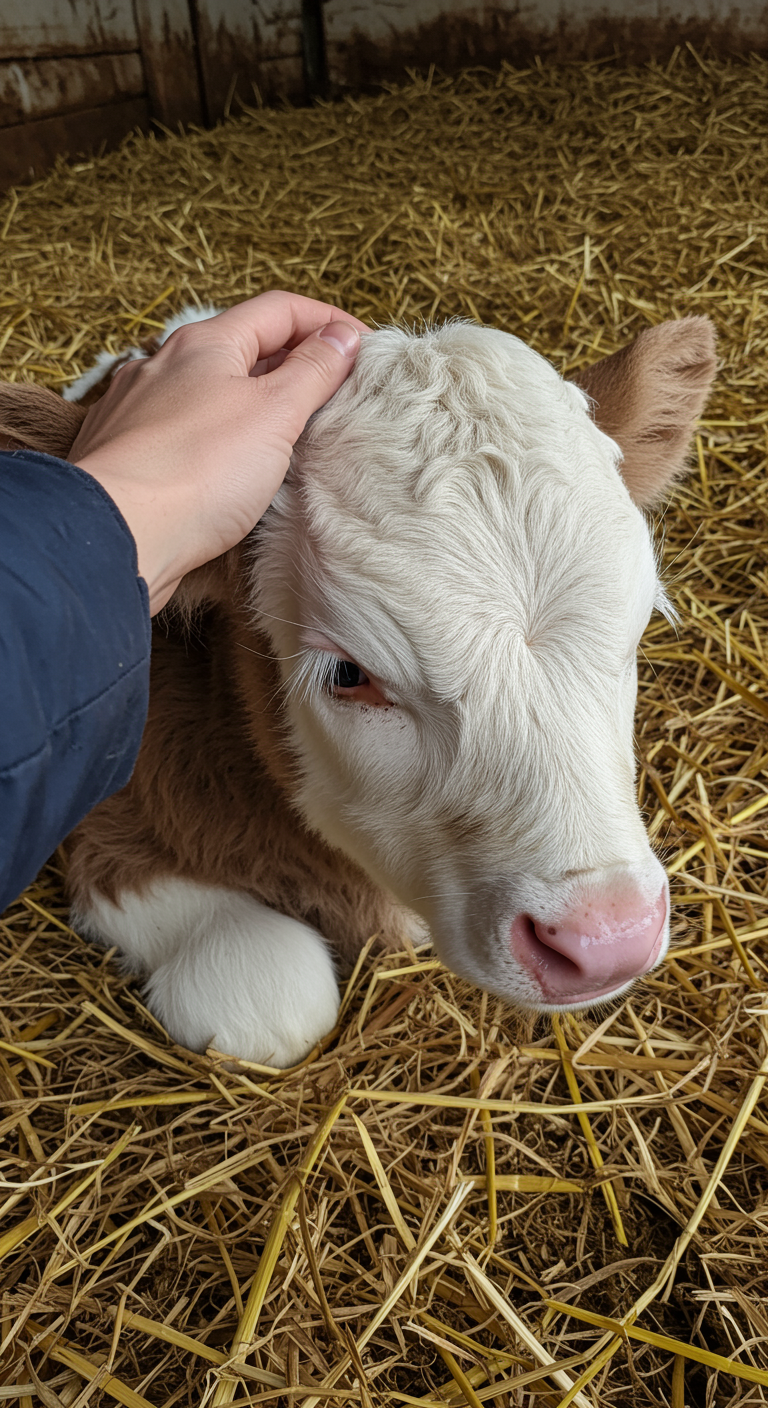
From the moment they are born, calves develop a deep bond with their mothers. A mother cow and her calf recognize each other using:
Voice (distinct moos)
Smell
Visual cues
Even in a large herd, a calf can easily find its mother. This strong connection provides comfort, security, and nourishment. You’ll often see calves staying very close to their mothers during the early days of life, especially when resting or feeding.
3. Calves Are Highly Social Animals
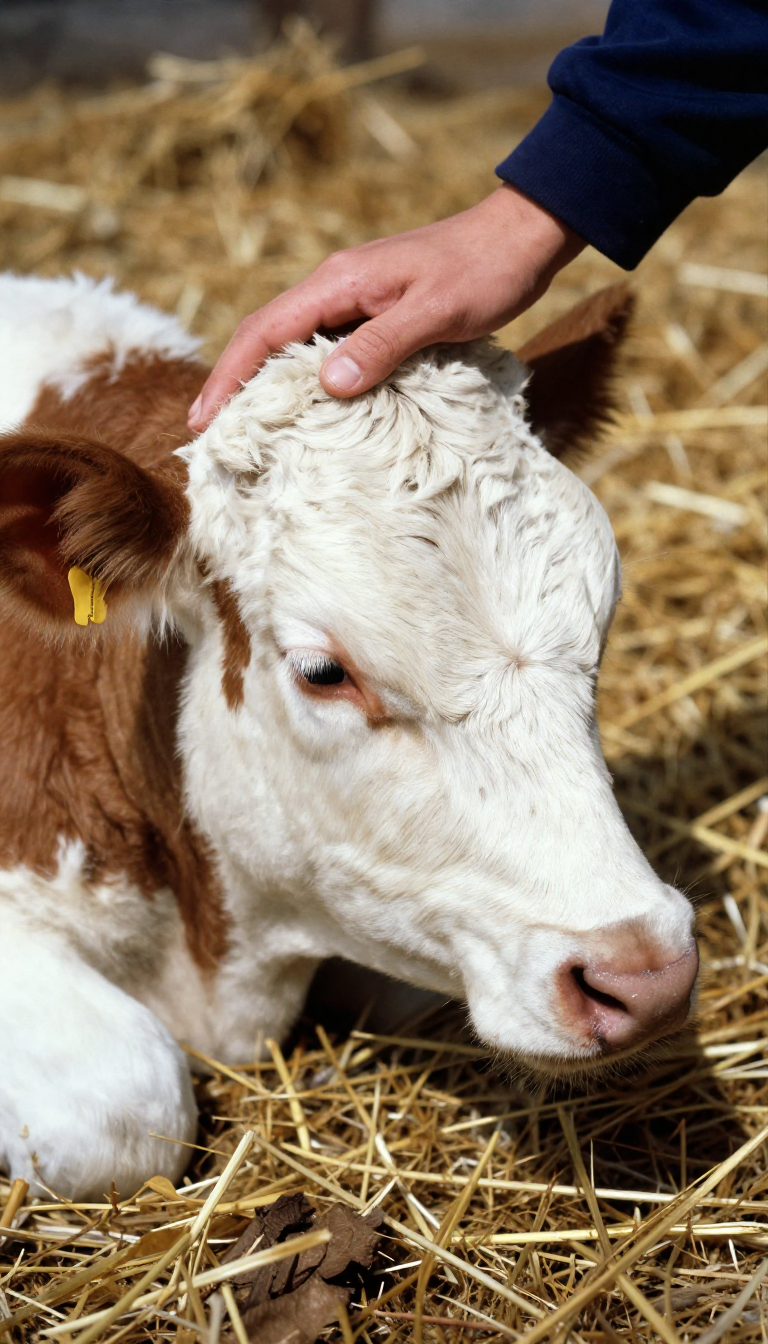
Calves are not meant to grow up alone. They are naturally social creatures that thrive on companionship. They enjoy spending time with:
Other calves
Their mothers
Other cows in the herd
When calves are raised in healthy environments, they form friendships, play together, and learn social skills early in life. Social interaction helps them grow into calmer, more confident adult cows.
4. Calves Love to Play—and It’s a Good Sign
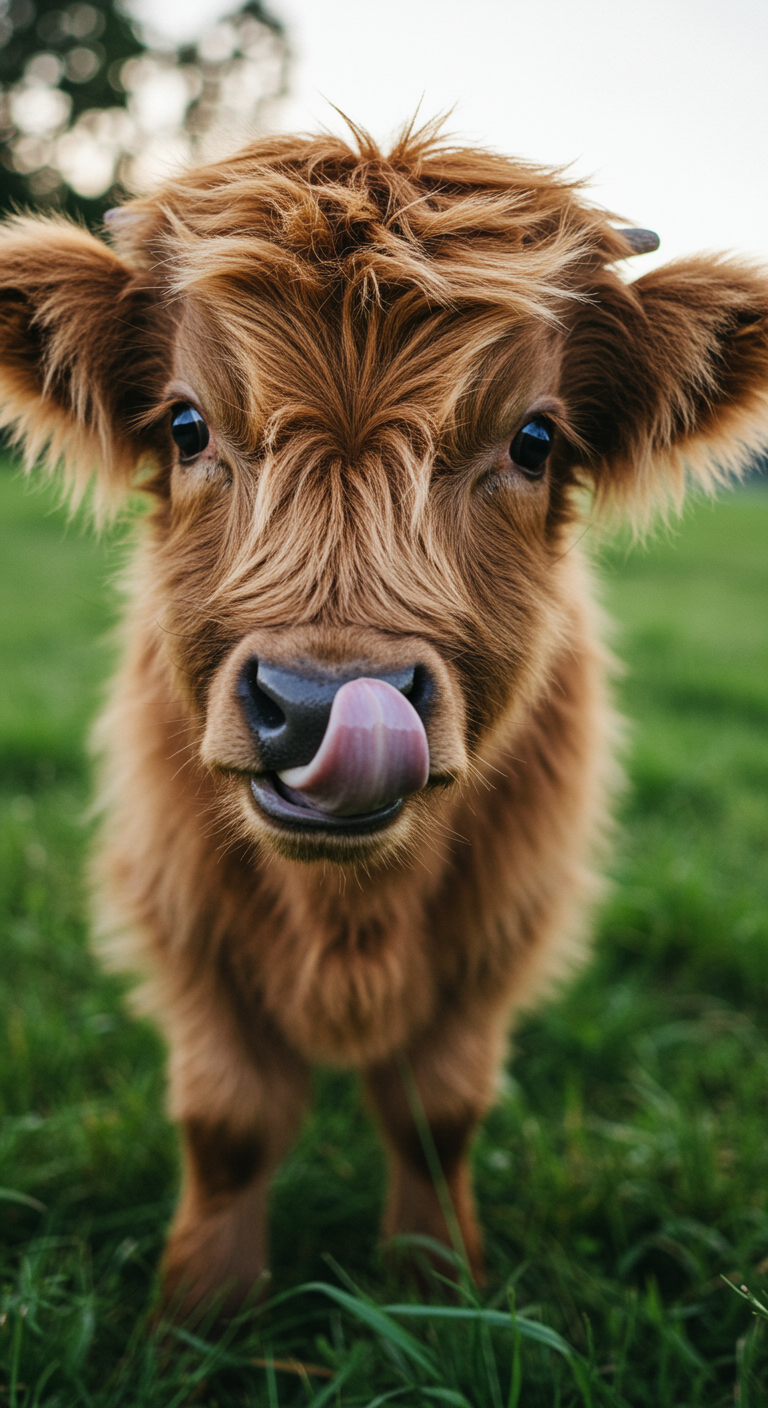
If you’ve ever seen calves running, jumping, or kicking their legs into the air, you’ve witnessed pure joy. This behavior, often called “bucking,” is a clear sign that a calf is:
Healthy
Comfortable
Happy
Play helps calves build muscle strength, coordination, and balance. It also supports mental development. Farmers often say that playful calves are some of the healthiest animals on the farm.
5. Each Calf Has Its Own Personality
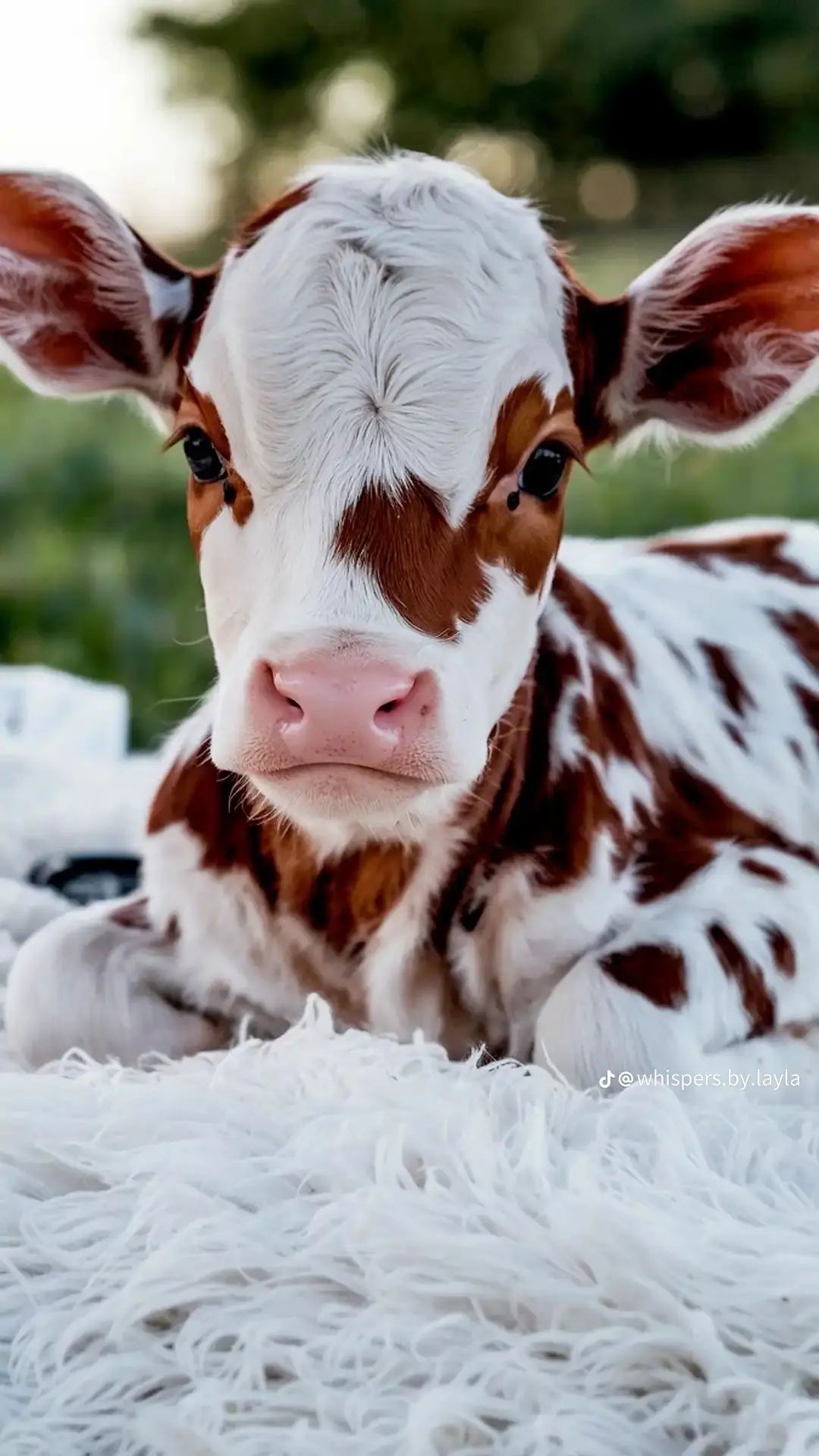
Just like pets, calves have unique personalities. Spend enough time around them and you’ll notice differences:
Some calves are bold and curious
Others are gentle and shy
Some love attention, while others observe quietly
These personality traits develop early and can last into adulthood. Farm animal lovers often form emotional connections with calves because of these individual quirks and behaviors.
6. Calves Communicate in Many Ways
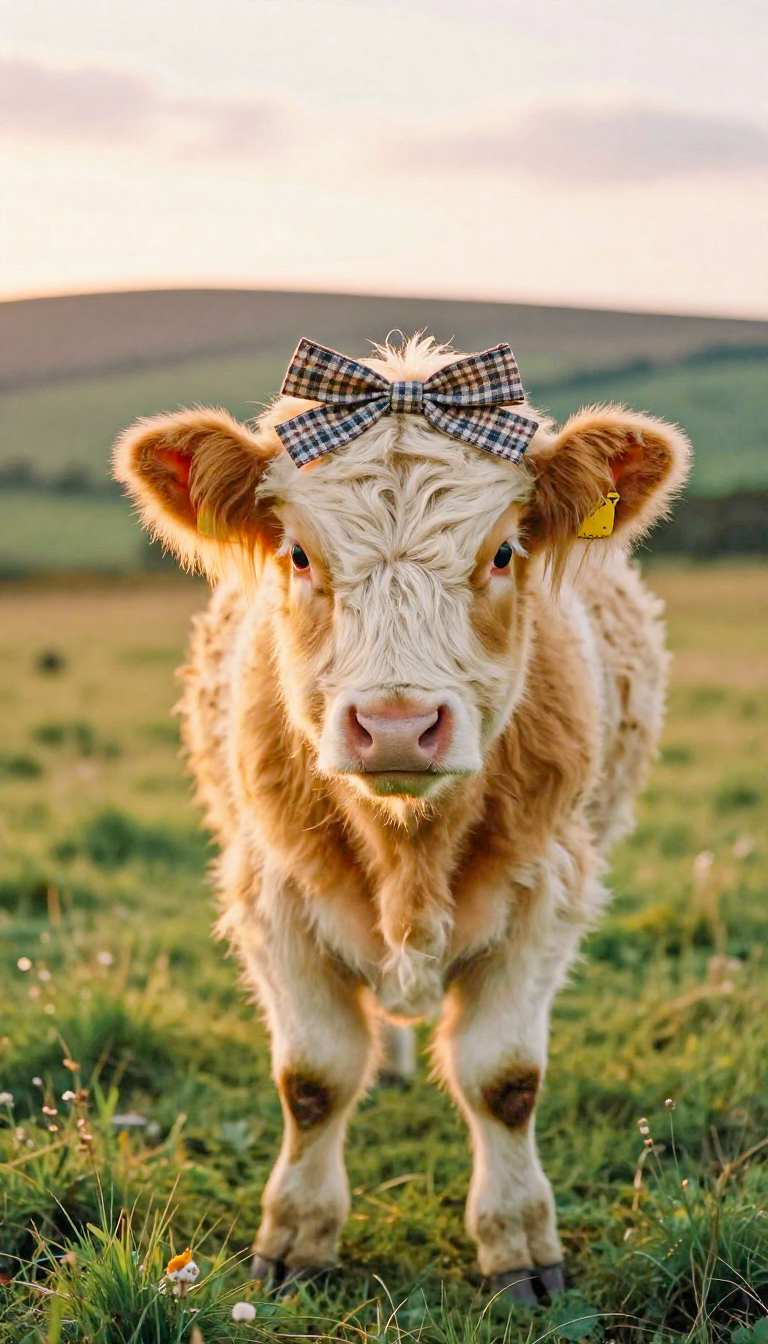
Calves may not speak human language, but they communicate clearly through sounds and body language. They use:
Soft moos to call their mother
Loud cries when hungry or stressed
Ear movements to show alertness
Tail flicks to express comfort or irritation
Over time, calves can even recognize familiar human voices and routines, especially when handled gently and consistently.
7. A Calf’s Diet Changes as It Grows
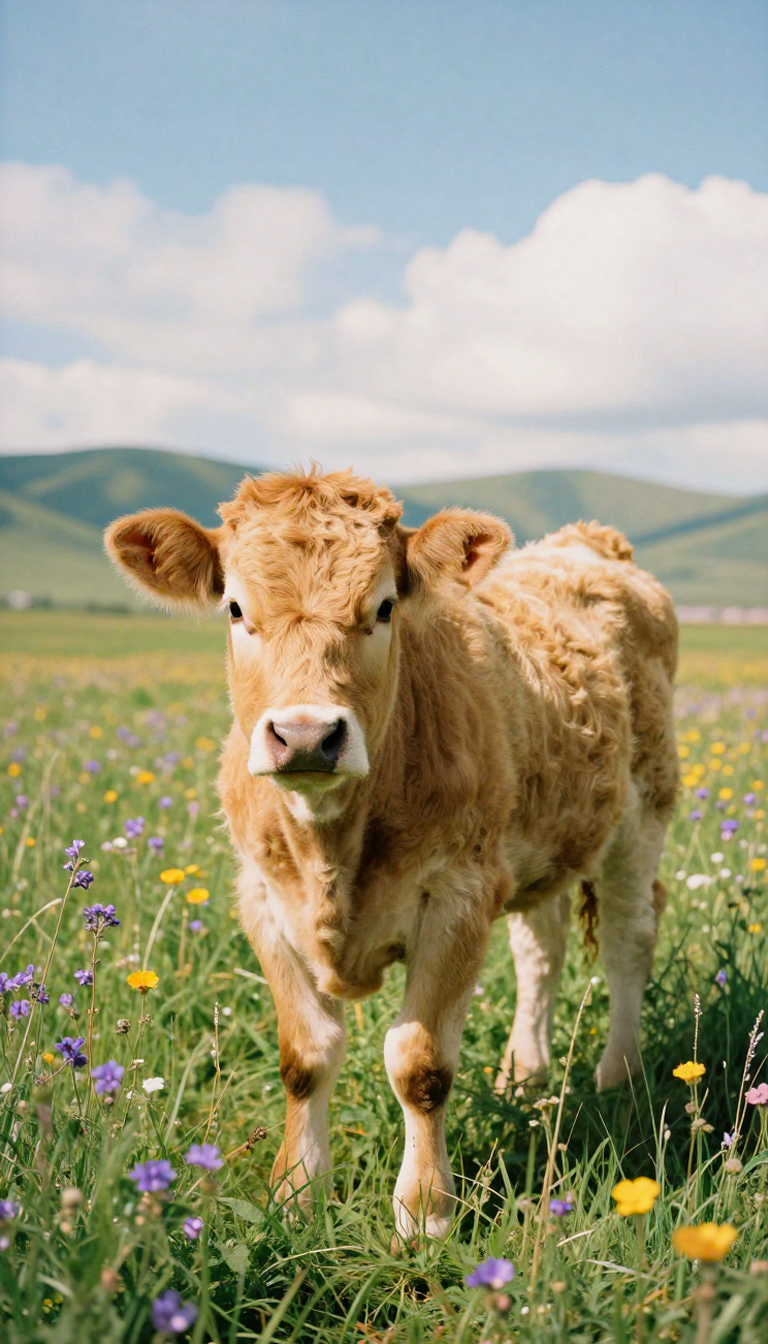
Nutrition plays a major role in a calf’s healthy development. In the first hours of life, calves drink colostrum, a special type of milk rich in antibodies. This helps protect them from illness.
As calves grow, their diet slowly expands to include:
Milk or milk replacer
Starter feed
Hay and grass
This gradual transition allows their digestive system to develop properly and prepares them for adult life as a grazing cow.
8. Calves Are Smarter Than Many People Realize
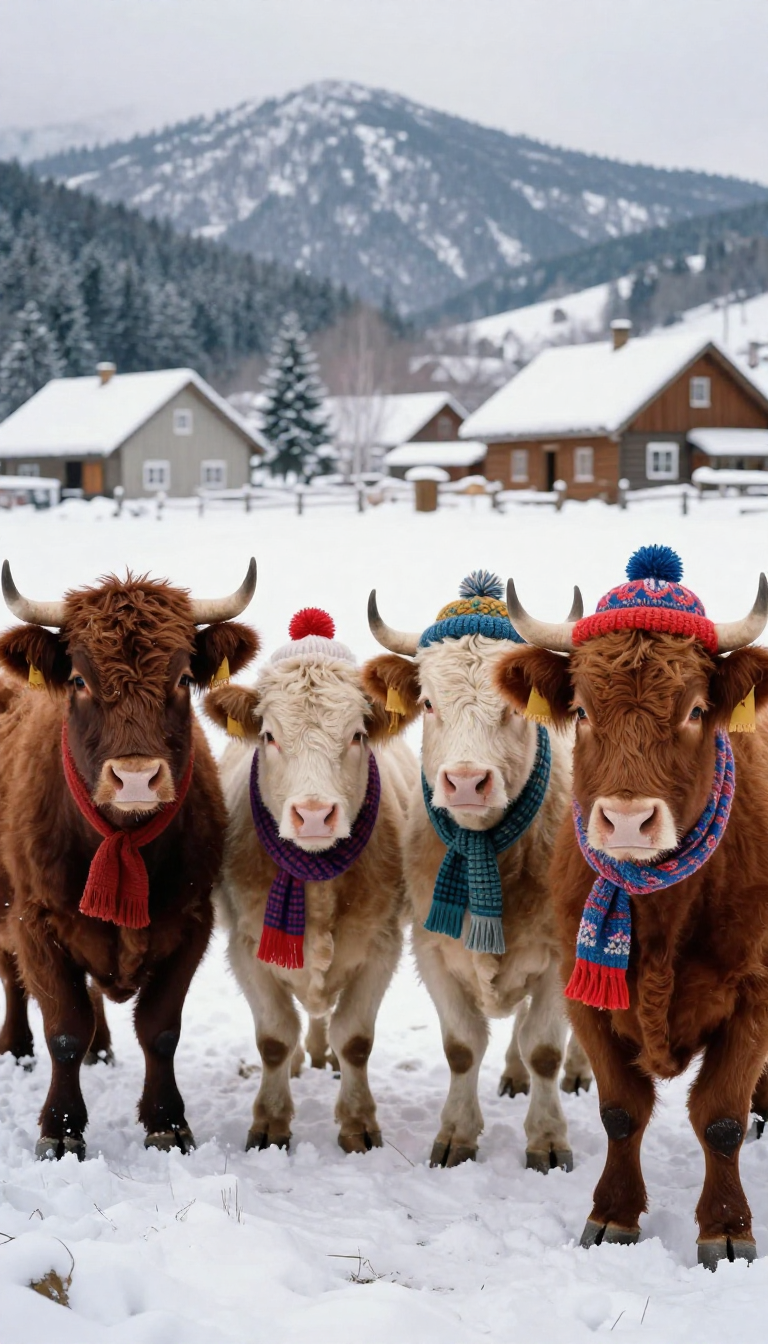
Many people underestimate the intelligence of farm animals, but calves are surprisingly smart. They can:
Learn feeding routines
Remember familiar people
Respond to gentle training
Some calves even show problem-solving skills, such as figuring out how to reach food or follow simple patterns. Their intelligence makes them highly adaptable animals.
9. Calves Can Enjoy Human Interaction
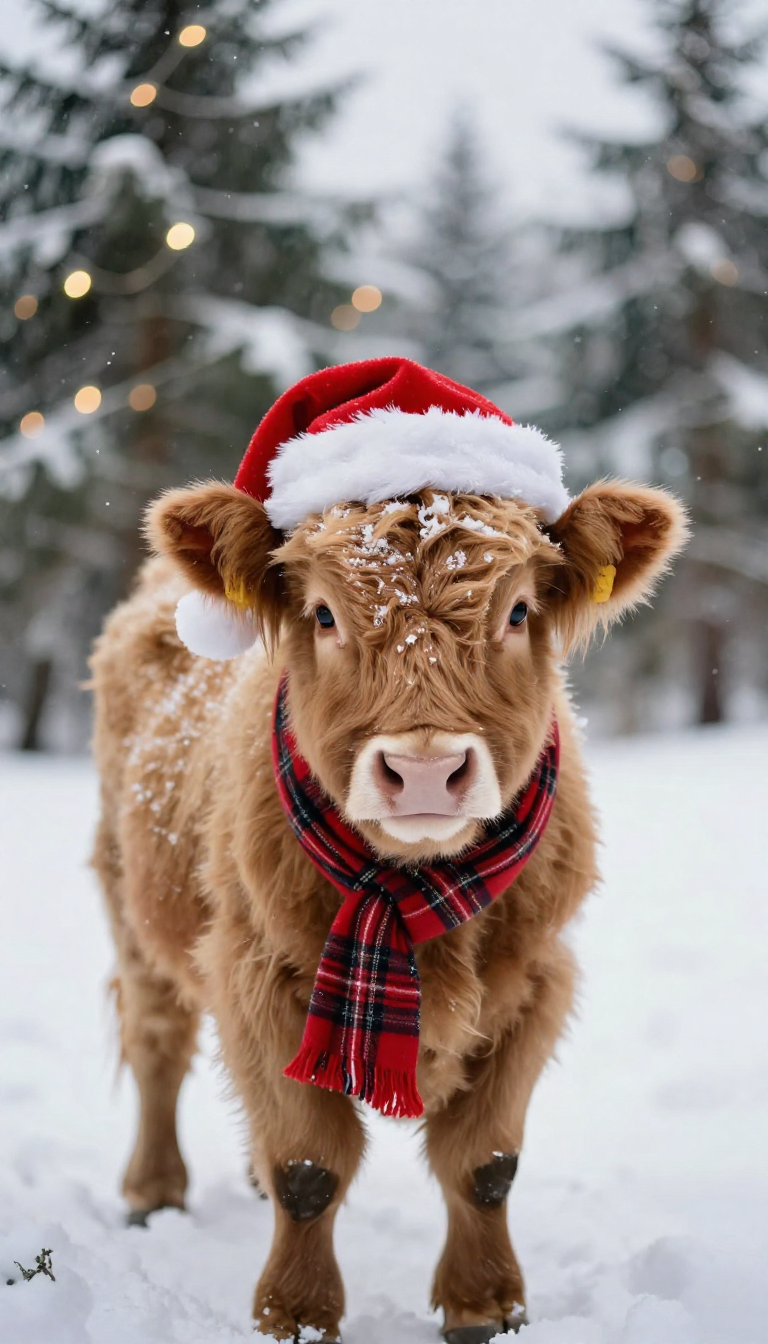
When treated kindly, calves can be very affectionate toward humans. Many calves enjoy:
Gentle petting
Calm voices
Hand-feeding (when appropriate)
Farmers and caretakers often describe calves as trusting animals that respond well to patience and consistency. Positive human interaction also reduces stress and supports healthy development.
10. Healthy Calves Reflect Responsible Farming
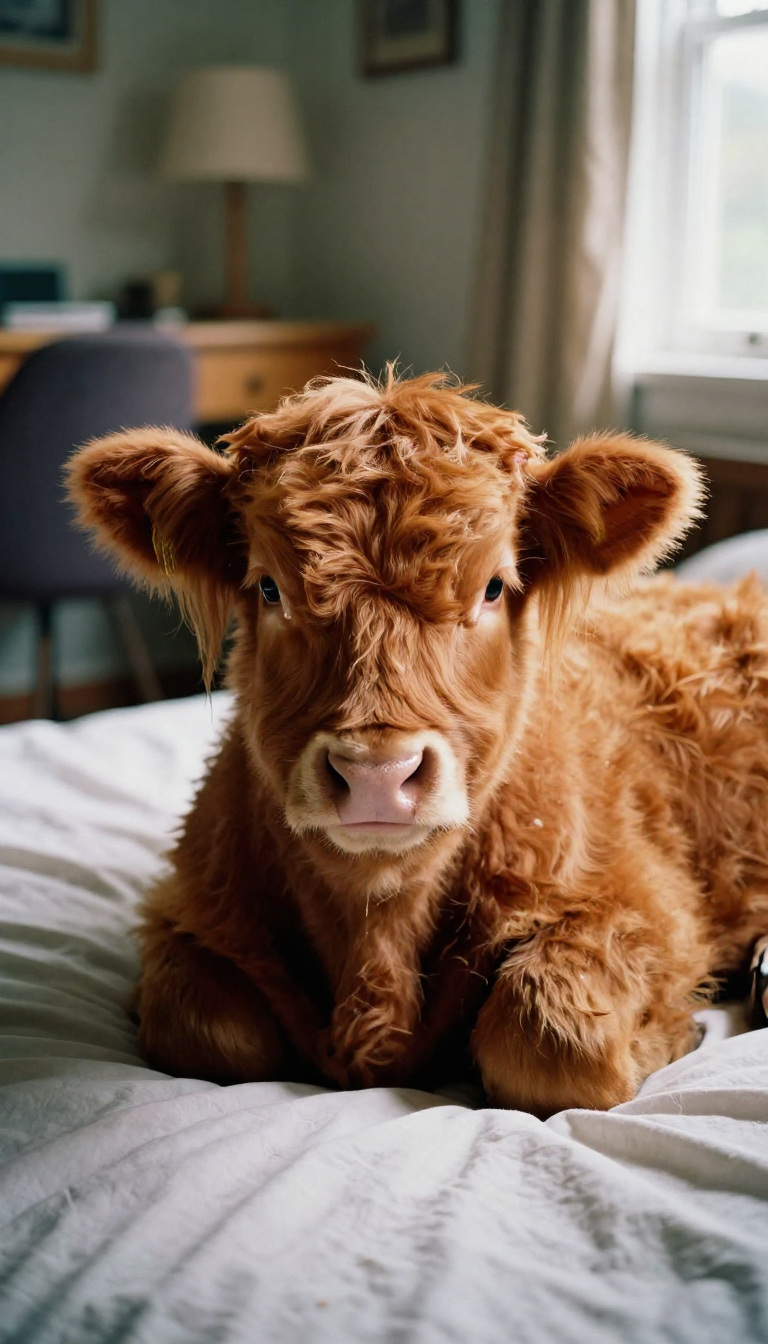
A happy, energetic calf is often a sign of good farming practices. Healthy calves usually show:
Bright, clear eyes
Smooth, clean coats
Strong appetite
Playful behavior
Farmers invest significant time and effort into ensuring calves grow up in clean, safe, and comfortable environments. Ethical care benefits both the animals and the overall farm ecosystem.
The Role of Calves in Farm Life
Calves are the future of the herd. Whether raised for dairy or beef production, calves represent sustainability and continuity in farming. Proper care during early life stages sets the foundation for:
Long-term health
Strong immunity
Calm temperament
Farmers understand that a well-raised calf becomes a productive and healthy adult cow.
Emotional Intelligence in Calves
Studies and observations suggest that calves experience emotions such as:
Comfort
Stress
Curiosity
Contentment
They respond positively to gentle handling and calm environments. Reducing stress during early life helps calves grow into calmer adult animals.
FAQs About Calves
What is a baby cow called?
A baby cow is called a calf, regardless of gender.
How long do calves drink milk?
Calves typically drink milk for several weeks to a few months before fully transitioning to solid foods.
Do calves recognize humans?
Yes, calves can recognize familiar people, especially those who feed or care for them regularly.
Are calves friendly animals?
Calves are naturally gentle and curious. With positive handling, they can be very friendly.
Do calves sleep a lot?
Yes, young calves sleep frequently as their bodies grow and develop.
Why Farm Animal Lovers Adore Calves
For farm animal lovers, calves symbolize:
New beginnings
Gentle strength
The beauty of rural life
Their innocence and playful nature remind us of the importance of kindness, patience, and respect for animals.
Final Thoughts
Calves are more than just baby cows—they’re intelligent, emotional, and deeply social animals. Their playful jumps, gentle eyes, and loving bonds with their mothers make them truly special. For anyone who loves farm animals, learning about calves is a reminder of how meaningful and beautiful farm life can be.
Whether you admire them from afar or care for them daily, calves have a special way of leaving a lasting impression on the heart.