

When I first started looking for easy dog treat recipes, I realized I had the same question many dog parents ask:
Are peanut butter and yogurt safe for dogs?
The short answer is yes, as long as the peanut butter is unsweetened and xylitol-free, and the yogurt is plain with no added sugar.
Knowing this gave me peace of mind and the push to try making something special at home.
Like most pet parents, I wanted a treat that was not only tasty but also healthy. Store-bought snacks often come with long ingredient lists filled with things I couldn’t even pronounce.
That’s why I love these peanut butter yogurt treats—they only need a couple of ingredients, yet they’re packed with protein, calcium, and probiotics that support digestion.
And the best part?
My dog actually gets excited when I open the freezer now.
I remember the first batch I made, thinking maybe it wouldn’t turn out right. But they were surprisingly simple. Just mix, pour into molds, and freeze.
That’s it!
It’s funny how something so quick can make such a big difference in your dog’s routine. Instead of worrying about unnecessary fillers, I can hand over a cool, creamy treat on a hot afternoon and feel good about it.
Another question I often see in forums is:
How many homemade treats can my dog have in a day?
The answer depends on your dog’s size and overall diet. These are healthy, but like any snack, they should be given in moderation. I usually give one or two at a time, and they work great as a reward after playtime or training sessions.
Making your own dog treats isn’t just about food—it’s about bonding. The small effort of preparing something at home shows your pup that you care.
And honestly,
Watching them wag their tail in excitement when they know a frozen peanut butter yogurt treat is coming makes it worth every step.
Why Make a Special Recipe for Your Dog
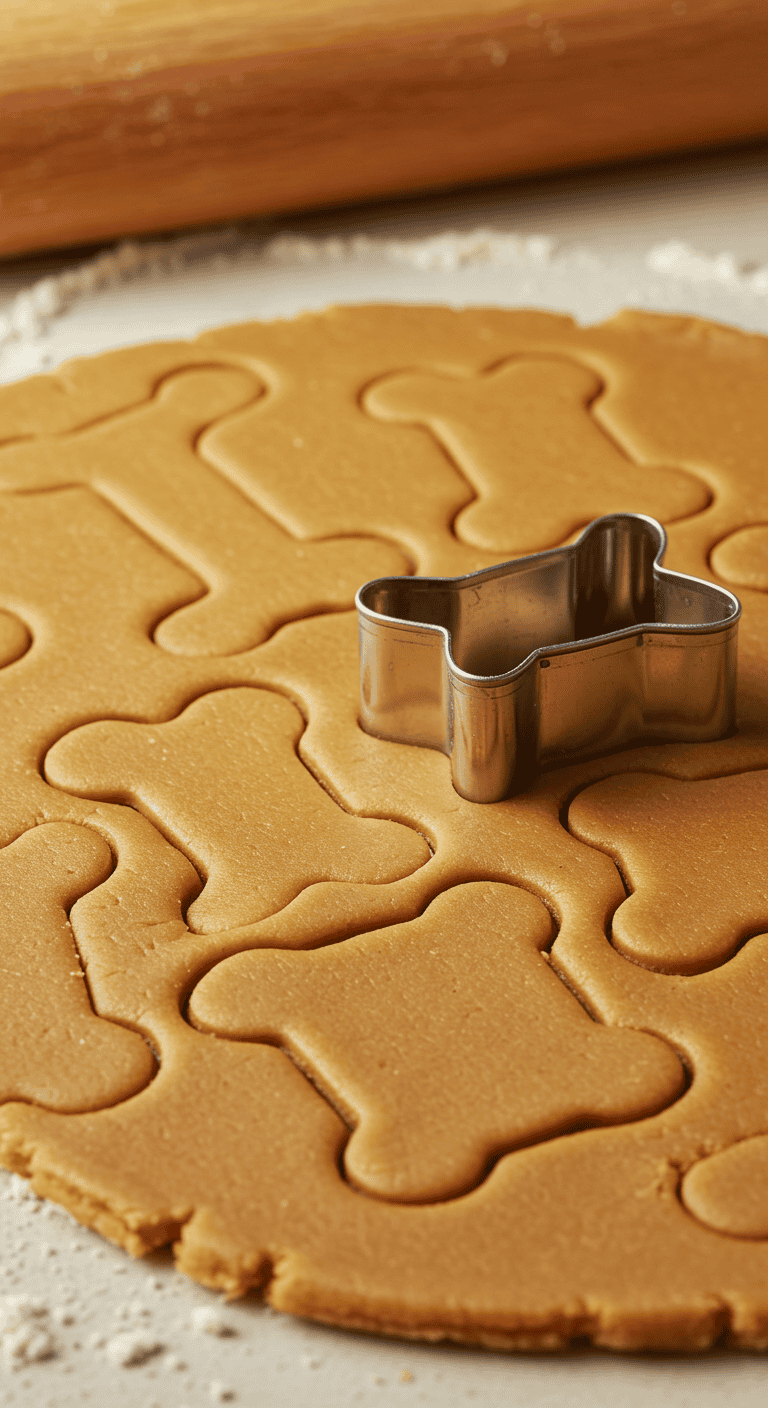
I used to wonder if making special recipes for dogs was really necessary. After all, there are so many treats available at the store. But when you start reading the ingredient labels, you realize most of them contain fillers, preservatives, or sugars that don’t actually benefit your dog’s health.
That was the moment I decided: if I can cook for myself, why not for my dog too?
The truth is, homemade recipes let you control exactly what goes in. You can choose healthy, dog-safe ingredients and skip anything that could cause allergies or stomach upset.
For example, plain Greek yogurt supports digestion, and peanut butter provides protein and healthy fats. These simple, whole ingredients make a huge difference compared to mystery-filled packaged snacks.
One question I’ve heard other pet parents ask is:
Do dogs really need homemade treats?
The answer isn’t that they need them, but they certainly benefit from them. Just like you feel better when you eat fresh food instead of junk, your dog can enjoy the same advantage. A homemade treat is like giving them a little boost of love with each bite.
And it’s not just about health—it’s about trust. When you make treats yourself, you don’t have to wonder if there’s anything hidden inside.
You already know what’s in the bowl, and that reassurance brings peace of mind. Plus, preparing a special recipe creates a fun routine for both you and your dog. It turns snack time into a meaningful little moment you share together.
At the end of the day, making a special recipe for your dog is less about “spoiling” them and more about giving them the care they deserve. They give us loyalty, joy, and companionship every day—why not give them something wholesome and safe in return?
Nutrient Breakdown
One of the best parts about these peanut butter yogurt treats is knowing that every bite is packed with simple goodness. When I first made them, I was surprised by how much nutrition could come from just a few ingredients.
The peanut butter adds protein and healthy fats, which help keep your dog’s energy steady throughout the day. I like to think of it as a natural “fuel” that supports muscles and keeps them active. Of course, I always use unsalted, xylitol-free peanut butter because that makes all the difference for their safety.
The plain Greek yogurt brings in probiotics, which are amazing for digestion. Dogs can sometimes get sensitive stomachs, and yogurt helps keep everything balanced. It also has a nice dose of calcium and protein, which quietly support their bones and overall health.
If you’re wondering ,“Are peanut butter treats healthy for dogs?” the short answer is yes—when made with the right ingredients. By using wholesome peanut butter and fresh yogurt, you’re giving your dog a nutrient-rich snack instead of empty calories.
These treats aren’t just tasty; they’re little bites of nutrition that show your pup how much you care. When I hand one to my dog, I feel confident I’m giving him something that supports his health and makes him happy at the same time.
Ingredients
I keep this short and safe—just a few pantry staples that freeze well and agree with most dogs.
- 1 cup plain Greek yogurt – Unsweetened, no flavors, and no xylitol. Thick texture = creamy frozen bites.
- ½ cup natural peanut butter – Smooth, unsalted, xylitol-free (check the label).
- 1 small ripe banana (optional) – Adds natural sweetness and softer texture.
- 1–2 tbsp water or lactose-free kefir (as needed) – Loosens the mix for easy pouring.
- 1 tsp ground flaxseed (optional) – Gentle fiber and omega-3s.
- 4–6 blueberries or tiny training treats (optional mix-ins) – For a fun center surprise.
All add-ins are optional—skip anything your dog can’t have. If dairy is an issue, swap the yogurt for lactose-free yogurt or unsweetened coconut yogurt.
Step-by-Step Instructions
- Step 1 — Gather & check.
Line up your silicone molds or ice cube tray. Measure 1 cup plain Greek yogurt and ½ cup unsweetened, xylitol-free peanut butter. If you’re using banana, peel and mash it. I always double-check the peanut butter label—safety first. - Step 2 — Combine the base.
Put the yogurt and peanut butter in a blender or bowl. Blend or whisk until completely smooth. If the mix is stubborn, scrape the sides and blend again. We want a creamy, pourable texture. - Step 3 — Add extras and loosen if needed.
Stir in mashed banana, 1 tsp ground flaxseed, or a few blueberries if you like. If it’s too thick to pour, add water or lactose-free kefir 1 tablespoon at a time until it flows. - Step 4 — Spoon into molds.
Use a small scoop or spoon to fill each cavity. Press a blueberry into the center or sprinkle a pinch of flaxseed on top for texture. Work over a tray so spills are easy to catch. - Step 5 — Freeze flat.
Place the filled molds on a flat spot in the freezer so they set evenly. Freeze for 3–4 hours, or overnight for best results. - Step 6 — Unmold and pack.
Pop the treats from the molds and transfer them to a labeled, airtight freezer bag or container. I write the date on the bag—helps me rotate stock. - Step 7 — Store and serve.
Keep frozen up to 2 months. Give one small cube as a treat; thaw slightly for tiny or senior dogs. If you ever notice any tummy upset, pause and check ingredients. - Step 8 — Clean up.
Rinse the blender and molds right away—yogurt and peanut butter clean much easier when fresh. And that’s it: quick, reliable, and something your dog will look forward to every time.
Serving & Storage
I usually think of these peanut butter yogurt treats as little “doggie desserts.” After a long walk or on a hot afternoon, I’ll pop one out and watch my pup crunch happily. One cube is plenty for a small dog, and bigger dogs can enjoy two—just as an occasional treat, not a meal replacement.
When it comes to storage, keeping them fresh is simple. Once frozen solid, I transfer the treats into a zip-top freezer bag or airtight container. A quick tip: label the bag with the date, so you always know how long they’ve been there. These will keep well in the freezer for about 2 months without losing flavor or texture.
I never leave them sitting out for too long, because they soften quickly. If I’m serving one on a warm day, I sometimes let it thaw for just a minute so it’s not rock-hard, especially for senior dogs with gentler teeth.
And if you’re wondering, “How often should dogs have frozen peanut butter yogurt treats?”—the answer is simple: once in a while is perfect. Think of them like a refreshing snack between meals. A little goes a long way in keeping tails wagging and breath sweet.
FAQs – Peanut Butter Yogurt Dog Treats
Are peanut butter yogurt treats safe for dogs?
Yes—if peanut butter is xylitol-free and yogurt is plain. Use unsweetened ingredients and avoid artificial sweeteners. If your dog has sensitivities, check with your vet first.
How often can I give my dog these treats?
Treats should be occasional. One small cube for small dogs or one–two for larger dogs, a few times a week, depending on calories and overall diet.
Can puppies eat peanut butter yogurt treats?
Small amounts are okay for puppies over 8–12 weeks, but start with tiny portions and watch for reactions. Ask your vet for age-specific guidance.
What if my dog is lactose intolerant?
Use lactose-free or non-dairy yogurt (unsweetened coconut or almond alternatives) to avoid tummy upset while keeping probiotic benefits minimal.
Do these treats add too many calories?
They contain calories from peanut butter and yogurt. Use them as an occasional snack and count them within your dog’s daily calorie allowance to prevent weight gain.
Can dogs with allergies have these treats?
If your dog has known peanut or dairy allergies, skip those ingredients. Substitute with seed butter or dairy-free yogurt and consult your vet before trying new foods.
How should I store the frozen treats?
Keep in an airtight freezer bag or container for up to 2 months. Thaw slightly before serving small or senior dogs.
Are these treats good for training?
Yes—break frozen cubes into smaller pieces for training. They’re tasty and motivating, but use small portions to control calories.
Conclusion
Making frozen peanut butter yogurt treats has been a small change with big rewards for us. I love that they’re quick, made from ingredients I trust, and something my dog genuinely looks forward to. You get control over what goes in, can adapt for sensitivities, and still keep calories in check by using them sparingly. Try a batch, watch how your dog responds, and tweak as needed — it’s an easy way to add joy and a little extra care to their day.