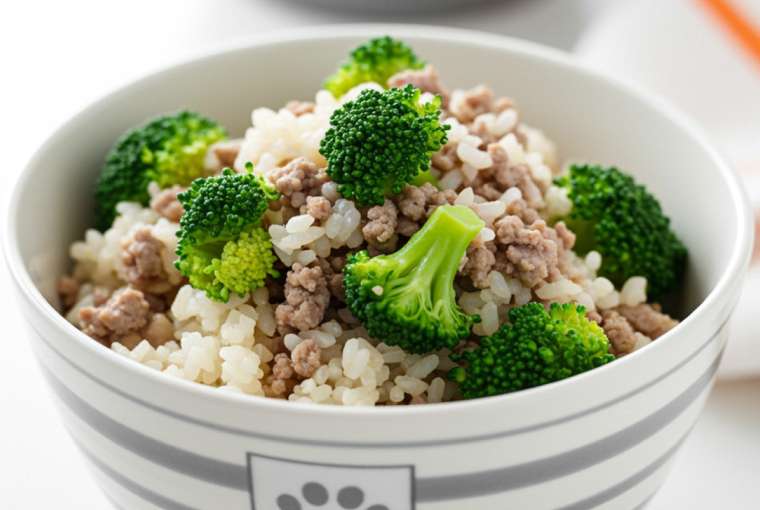
You already know vegetables are good for you. But did you know the same crunchy, colorful plants can transform your dog’s health from the inside out?
The right vegetables add fiber, vitamins, antioxidants, and natural crunch to your dog’s diet—without the calories of processed treats. The wrong vegetables (onions, garlic, raw potatoes) can kill.
This guide covers six proven, safe, and powerful vegetables that veterinarians actually recommend. For each one, you will learn the specific health benefit, the correct serving size, and the one crucial preparation rule that makes it safe.
The Golden Rules of Dog Vegetables
Before we dive in, memorize these three rules:
The 10% Rule: Vegetables should never make up more than 10% of your dog’s daily calories. Treats are treats, not meals.
The Size Rule: Chop everything into pea-sized pieces (or smaller for toy breeds). Whole vegetables are choking hazards.
The Preparation Rule: Most vegetables must be cooked or pureed. Dogs lack the digestive enzymes to break down raw plant cell walls.
Now, let’s meet the six vegetable superheroes.
1. Carrot: The Dental Scrubbing Brush
Best for: Teeth, eyes, and weight management
The health benefit: Carrots are loaded with beta-carotene, which converts to Vitamin A—essential for night vision and immune function. The crunchy texture acts as a natural dental abrasive, scraping plaque off teeth while your dog chews. At only 25 calories per medium carrot, they are the ultimate low-calorie chew toy for overweight dogs.
How to serve:
Raw: Whole large carrots (supervised) for chewing. Grated raw carrots for small dogs.
Cooked: Steamed or boiled until fork-tender, then chopped.
The warning: Baby carrots are a choking hazard for small dogs. Always slice lengthwise, not into coin shapes (coins can lodge in the windpipe).
Serving size: 1 small carrot per 20 pounds of body weight per day.
2. Broccoli: The Cancer-Fighting Crusader
Best for: Detoxification and long-term disease prevention
The health benefit: Broccoli contains sulforaphane, a compound shown in veterinary studies to slow cancer cell growth. It also delivers fiber for digestion, Vitamin K for bone health, and chromium for blood sugar regulation. The stems are tougher than the florets but equally nutritious.
How to serve:
Never raw: Raw broccoli is difficult to digest and can cause gas.
Steamed only: Lightly steam until bright green and soft. Overcooking destroys sulforaphane.
Chopped fine: Florets and stems both work, but must be in small pieces.
The warning: Broccoli contains isothiocyanates, which can cause stomach upset in large amounts. Moderation is essential.
Serving size: 1 to 2 small florets per 20 pounds of body weight, 2 to 3 times per week. Not daily.
3. Celery: The Low-Calorie Hydrator
Best for: Weight loss, fresh breath, and senior dogs
The health benefit: Celery is 95% water, making it one of the most hydrating vegetables you can offer. It contains Vitamin K, potassium, and folate. The stringy texture acts like nature’s dental floss, reducing bad breath by mechanically wiping bacteria off the tongue and teeth. At just 6 calories per stalk, it is nearly calorie-free.
How to serve:
Chopped into crescents: Cut into thin, half-moon slices no thicker than a nickel.
Never whole stalks: The long strings can wrap around the tongue or cause choking.
Steamed for seniors: Older dogs with dental issues prefer soft, steamed celery.
The warning: Remove all leaves. Celery leaves are safe but bitter and may cause drooling.
Serving size: 1 tablespoon of chopped celery per 10 pounds of body weight.
4. Green Beans: The Weight Loss Miracle
Best for: Obese dogs and blood sugar control
The health benefit: Green beans are the number one vegetable recommended by veterinary nutritionists for weight loss. They are low in calories (just 15 calories per half cup) but high in fiber, which makes a dog feel full without gaining weight. The fiber also slows glucose absorption, preventing blood sugar spikes—critical for diabetic dogs.
How to serve:
Fresh steamed: Trim ends, steam until bright green and soft.
Frozen thawed: Rinse under warm water. Do not cook from frozen.
Canned absolutely never: Canned green beans are loaded with sodium. “No salt added” canned beans still contain preservatives.
The warning: Raw green beans contain lectins, which cause nausea and diarrhea. Always cook them.
Serving size: Replace up to 25% of your dog’s dinner kibble with steamed green beans for weight loss (consult your vet first).
5. Spinach: The Iron-Boosting Power Leaf
Best for: Energy, inflammation, and heart health
The health benefit: Spinach is a nutritional bomb. It delivers iron (prevents anemia), Vitamin K (bone strength), Vitamin E (skin and coat), and lutein (eye health). The flavonoids in spinach are natural anti-inflammatories, making it excellent for arthritic senior dogs.
How to serve:
Pureed or finely chopped: Dogs cannot digest whole leaves. They will pass through undigested.
Lightly steamed: Steaming reduces oxalates (see warning below) while preserving nutrients.
Mixed into food: Never serve spinach alone. Mix 1 teaspoon into regular meals.
The warning: Spinach contains oxalates, which can contribute to kidney stones in predisposed breeds (Shih Tzus, Yorkshire Terriers, Dalmatians). If your dog has a history of bladder stones, skip spinach entirely.
Serving size: 1 teaspoon of cooked, chopped spinach per 20 pounds of body weight, once per week maximum.
6. Pumpkin: The Digestive Reset Button
Best for: Diarrhea, constipation, and upset stomach
The health benefit: Pumpkin is not technically a vegetable (it is a squash), but it earns its place on this list as the single best digestive aid for dogs. The soluble fiber in pumpkin absorbs excess water in diarrhea AND softens hard stools in constipation—it works for both ends. It also contains beta-carotene, potassium, and iron.
How to serve:
Canned pure pumpkin: Look for 100% pumpkin. Not pumpkin pie filling (contains sugar, nutmeg, and xylitol—deadly).
Fresh baked: Roast a sugar pumpkin, scoop out the flesh, and puree.
Powdered: Dehydrated pumpkin powder is shelf-stable and travel-friendly.
The warning: Too much pumpkin causes orange diarrhea. Start with a tiny amount.
Serving size:
Small dogs: ½ teaspoon per day
Medium dogs: 1 teaspoon per day
Large dogs: 1 tablespoon per day
Quick Reference Table: 6 Vegetables at a Glance
| Vegetable | Primary Benefit | Safe Form | Dangerous Form | Max Frequency |
|---|---|---|---|---|
| Carrot | Dental health, eyes | Raw, whole, or cooked | Raw coins (choking) | Daily |
| Broccoli | Cancer prevention | Lightly steamed | Raw or overcooked | 3x per week |
| Celery | Hydration, breath | Chopped crescents | Whole stalks | Daily |
| Green Beans | Weight loss | Steamed fresh | Canned (sodium) | Daily |
| Spinach | Anti-inflammatory | Steamed, pureed | Raw whole leaves | 1x per week |
| Pumpkin | Digestion | Canned puree | Pie filling | Daily |
The “Never Feed” Vegetable List
These common vegetables are toxic or dangerous to dogs:
Onions & Garlic (all forms): Destroy red blood cells, causing anemia. Even onion powder in broth is dangerous.
Raw Potatoes: Contain solanine, a toxin that causes vomiting, heart arrhythmias, and seizures.
Mushrooms (wild or store-bought): Many varieties cause liver failure. Never risk it.
Rhubarb: Contains oxalates high enough to cause kidney failure.
Corn on the cob: The cob itself is an intestinal blockage hazard. (Kernels are fine.)
How to Introduce Vegetables to a Picky Dog
Most dogs raised on kibble will stare at a green bean like you offered a rock. Here is the three-day transition method:
Day 1: Puree the vegetable and mix 1 teaspoon into wet food or broth.
Day 2: Mash the vegetables with a fork (not pureed) and mix in.
Day 3: Offer small, cooked chunks alongside a favorite treat.
If your dog spits out the vegetable, do not force it. Some dogs simply reject certain textures. Try a different vegetable from this list.
Final Verdict: Start with Pumpkin
If you do nothing else from this guide, buy a can of 100% pure pumpkin today. It is the safest, most universally beneficial vegetable for every dog, puppies to seniors, healthy to sick.
Add a carrot for dental health. Add green beans for weight loss. Add spinach only for specific anti-inflammatory needs.
Rotate vegetables throughout the week. Variety prevents boredom and ensures a broader nutrient profile.
Your dog’s body will thank you with a shinier coat, firmer stools, better breath, and more energy.
And that wagging tail? That is the only review that matters.